Probiotics for Digestion: The Benefits of Adding Them to Your Diet
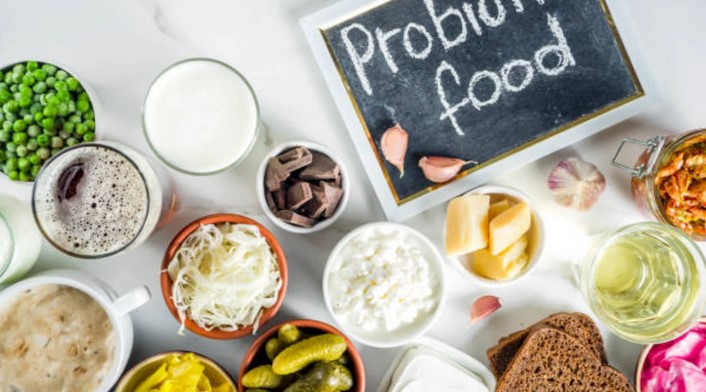
Probiotics for digestion have gained significant popularity in recent years, thanks to growing research supporting their positive effects on gut health. These beneficial bacteria play an essential role in maintaining a balanced microbiome in the digestive system, which is crucial for efficient digestion, nutrient absorption, and overall wellness. If you’ve been experiencing digestive issues like bloating, gas, or irregular bowel movements, incorporating probiotics into your diet could be a game changer. This article explores the benefits of probiotics for digestion, how they work, and ways to include them in your daily routine.
What Are Probiotics?
Probiotics are live microorganisms, often referred to as “good bacteria,” that provide health benefits when consumed in adequate amounts. They are naturally found in the body, particularly in the gut, where they help maintain a healthy balance between beneficial and harmful bacteria. Probiotics can be introduced to your digestive system through food or supplements, and their primary role is to support the digestive process by promoting a healthy gut microbiome.
A healthy gut microbiome is essential for digestion because it influences everything from the breakdown of food to immune function. When the balance of gut bacteria is disrupted — due to factors such as poor diet, stress, or illness — it can lead to digestive issues like constipation, diarrhea, or bloating. This is where probiotics come in, helping to restore balance and promote digestive health.
How Do Probiotics Help with Digestion?
Probiotics for digestion offer numerous benefits that go beyond just improving your gut flora. They work by interacting with the gut microbiome in several ways:
- Promoting a Healthy Gut Flora
The balance of bacteria in your gut is vital for digestion. A healthy gut contains a diversity of beneficial bacteria, which help break down food and absorb nutrients. When harmful bacteria overtake the good ones, digestive problems can occur. Probiotics help restore this balance by introducing beneficial bacteria back into the system, preventing harmful microbes from taking over. - Improving Nutrient Absorption
Probiotics aid in the absorption of essential nutrients, such as vitamins and minerals. They enhance the digestion of food, making it easier for the body to break down complex carbohydrates and proteins. Probiotics also help synthesize certain vitamins like B vitamins and vitamin K, which are essential for overall health. - Alleviating Digestive Disorders
One of the primary reasons people turn to probiotics is to help manage digestive disorders such as irritable bowel syndrome (IBS), Crohn’s disease, and ulcerative colitis. Research suggests that probiotics can help reduce symptoms like bloating, gas, and abdominal pain associated with these conditions. For example, certain strains of probiotics have been shown to help alleviate diarrhea caused by antibiotic use or infections. - Supporting Immune Function
A large portion of your immune system is located in the gut, and the bacteria living in your digestive tract play a key role in immune function. By maintaining a healthy gut microbiome, probiotics help strengthen the body’s natural defense mechanisms, making it easier to fight off infections and illnesses.
The Health Benefits of Adding Probiotics to Your Diet
Incorporating probiotics into your diet can offer a range of digestive and overall health benefits. Here are some of the most notable advantages:
- Relief from Digestive Issues
Whether you suffer from bloating, constipation, or diarrhea, probiotics can offer relief by promoting regular bowel movements and improving digestion. For example, Lactobacillus and Bifidobacterium strains of probiotics have been found to reduce the symptoms of IBS, including abdominal discomfort and irregular bowel habits. - Reduced Inflammation in the Gut
Chronic inflammation in the digestive system is often at the root of many gut-related problems. Probiotics can help reduce gut inflammation by regulating the immune system and preventing the overproduction of pro-inflammatory cytokines. This is especially beneficial for those with conditions like IBS or inflammatory bowel diseases (IBD). - Improved Mental Health
There is growing evidence to suggest that gut health is closely linked to mental health. This is often referred to as the “gut-brain axis,” and it implies that the gut microbiome can influence brain function and emotional well-being. Probiotics may help improve mood, reduce stress, and alleviate symptoms of anxiety and depression by supporting the gut microbiome, which in turn may affect the brain’s neurotransmitter production. - Support for Weight Management
Some studies have indicated that certain probiotic strains may help with weight management by influencing the body’s metabolism and fat storage. While more research is needed, there is evidence to suggest that probiotics may alter the way your body stores fat, helping with weight control. - Enhanced Immune Response
In addition to supporting digestion, probiotics for digestion also strengthen the immune system. They help stimulate the production of immune cells and protect the gut lining, which acts as a barrier against harmful pathogens and toxins. This makes probiotics a useful tool in preventing gastrointestinal infections and boosting overall immune health.
How to Incorporate Probiotics into Your Diet
The best way to enjoy the benefits of probiotics for digestion is to incorporate them into your daily diet. While probiotic supplements are available, many people prefer to consume probiotics naturally through food sources. Some of the most common probiotic-rich foods include:
- Yogurt
Yogurt is one of the most well-known sources of probiotics. It contains live cultures of beneficial bacteria such as Lactobacillus and Bifidobacterium. Be sure to choose plain, unsweetened yogurt to avoid added sugars, which can negatively impact gut health. - Kefir
Kefir is a fermented dairy drink that is similar to yogurt but contains a wider variety of probiotic strains. It’s an excellent source of probiotics and can be consumed as a drink or used in smoothies. - Sauerkraut and Kimchi
Fermented vegetables like sauerkraut and kimchi are rich in probiotics. They are made by fermenting cabbage and other vegetables with beneficial bacteria, offering a tangy and flavorful way to support gut health. - Kombucha
Kombucha is a fermented tea that contains probiotics. It has a naturally effervescent quality and is available in a variety of flavors. Drinking kombucha regularly can help maintain a healthy gut microbiome. - Miso and Tempeh
These fermented soy products are excellent sources of probiotics, especially for those following a plant-based diet. Miso can be added to soups and tempeh can be used in various dishes as a meat substitute. - Probiotic Supplements
If it’s difficult for you to get enough probiotics through food, supplements are an effective alternative. Look for high-quality supplements that contain a variety of strains and are backed by research on their efficacy.
In conclusion, probiotics for digestion play a crucial role in maintaining a healthy gut microbiome, promoting better digestion, and preventing digestive disorders. By restoring the balance of good bacteria in the gut, probiotics can alleviate common digestive issues such as bloating, gas, and constipation, while also offering broader health benefits like improved immune function and mental health. Whether through food or supplements, adding probiotics to your diet can help optimize digestion and support overall well-being.