10 Calorie-Burning Foods That Should Be in Your Diet
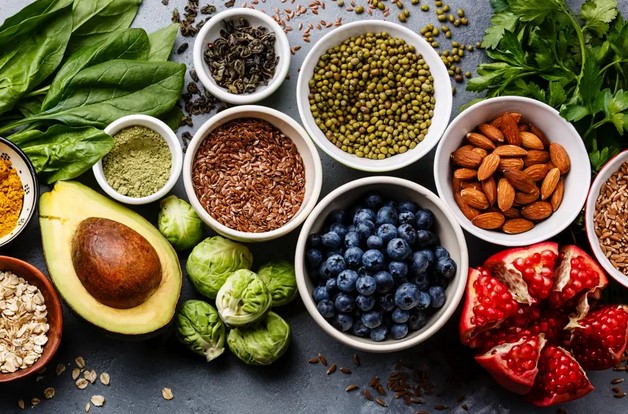
When it comes to managing your weight, the food you eat can play a crucial role in helping you burn calories more efficiently. While exercise is important, incorporating calorie-burning foods into your diet can complement your workout routine and boost your metabolism. These foods contain compounds that either promote fat burning, enhance your body’s natural calorie-burning processes, or increase your energy expenditure. In this article, we’ll explore 10 calorie-burning foods that should be part of any diet aimed at weight management or fat loss.
How Do Calorie-Burning Foods Work?
Before diving into the list, it’s important to understand how calorie-burning foods work. The concept behind calorie-burning foods is that certain foods either raise your metabolic rate or use more energy for digestion and absorption, resulting in greater calorie expenditure. Some of these foods contain compounds like capsaicin, caffeine, or antioxidants that stimulate thermogenesis (the process of heat production in the body), which can increase the number of calories your body burns even at rest.
Now, let’s take a look at some of the most effective calorie-burning foods that can help supercharge your metabolism and contribute to your fat-burning goals.
10 Calorie-Burning Foods to Add to Your Diet
1. Green Tea
Green tea has long been recognized for its health benefits, and one of the most significant benefits is its ability to aid in fat loss. The active compounds in green tea, particularly catechins like epigallocatechin gallate (EGCG), have been shown to increase calorie expenditure by promoting fat oxidation. Drinking green tea can also help enhance the fat-burning process during exercise.
- How it works: The catechins in green tea boost your metabolism and increase fat burning, particularly during aerobic exercise.
- How to incorporate: Drink a cup of green tea in the morning or before a workout to take advantage of its calorie-burning effects.
2. Chili Peppers
Chili peppers contain a compound called capsaicin, which is responsible for their spicy kick. Capsaicin has been shown to raise the body’s metabolic rate by increasing thermogenesis. It can also help suppress appetite, which is a bonus when you’re trying to manage your weight.
- How it works: Capsaicin boosts calorie burning by increasing the body’s heat production and reducing appetite.
- How to incorporate: Add chopped chili peppers to soups, salads, stir-fries, or your favorite dishes to add flavor and calorie-burning power.
3. Coffee
Coffee is not just an energy booster — it can also help with fat burning. The caffeine in coffee is a well-known stimulant that can raise your metabolic rate and enhance fat oxidation. Studies have shown that caffeine can increase fat burning, particularly during exercise, by stimulating the nervous system and breaking down stored fat for use as energy.
- How it works: Caffeine stimulates the central nervous system and increases calorie burning by enhancing fat breakdown.
- How to incorporate: Enjoy a cup of black coffee or add a splash of milk or a dash of cinnamon to make it more enjoyable.
4. Grapefruit
Grapefruit is often included in weight loss diets due to its ability to improve metabolism. It is rich in antioxidants like flavonoids, which may help reduce insulin levels, improve fat breakdown, and promote weight loss. Some studies have even shown that eating grapefruit can reduce fat accumulation and improve blood sugar levels.
- How it works: Grapefruit helps lower insulin levels and enhances fat burning through its high antioxidant content.
- How to incorporate: Enjoy half a grapefruit with your breakfast or add it to smoothies for a refreshing and healthy treat.
5. Eggs
Eggs are a protein-packed food that can help you burn more calories by increasing your satiety and improving your metabolic rate. Protein-rich foods like eggs require more energy for digestion and absorption, which means your body burns more calories in the process. Additionally, the high protein content can help preserve muscle mass during weight loss, which further enhances your metabolism.
- How it works: Protein increases thermogenesis and helps maintain lean muscle mass, which supports fat loss.
- How to incorporate: Enjoy eggs boiled, scrambled, or as part of an omelet with vegetables for a filling breakfast or snack.
6. Leafy Greens
Leafy greens like spinach, kale, and arugula are low in calories but high in nutrients and fiber. These vegetables require more energy to digest and can help promote fat loss by keeping you full longer. Additionally, they are rich in antioxidants that support overall health and metabolic function.
- How it works: The high fiber content in leafy greens promotes feelings of fullness, reducing overall calorie intake and enhancing fat-burning processes.
- How to incorporate: Add leafy greens to salads, smoothies, soups, or as a side dish to your main meals.
7. Apple Cider Vinegar
Apple cider vinegar (ACV) has gained popularity for its potential weight loss benefits. Some studies suggest that ACV can help reduce belly fat by increasing satiety and reducing appetite. Additionally, the acetic acid in apple cider vinegar may increase metabolism and promote fat loss by improving fat oxidation.
- How it works: ACV helps regulate blood sugar levels and increases feelings of fullness, which can lead to reduced calorie intake.
- How to incorporate: Mix 1-2 tablespoons of ACV with a glass of water and drink it before meals to help control appetite.
8. Almonds
Almonds are not only a great source of healthy fats and protein, but they also contain fiber, which can help with satiety and fat burning. Studies have shown that consuming nuts like almonds can increase calorie expenditure and promote fat loss, particularly in the abdominal area. They’re also a good source of magnesium, which plays a role in regulating blood sugar and supporting metabolic health.
- How it works: Almonds increase metabolism, improve fat oxidation, and reduce appetite.
- How to incorporate: Snack on a handful of raw or roasted almonds, or add them to your salads, oatmeal, or yogurt.
9. Coconut Oil
Coconut oil is a healthy fat that can help increase fat burning, particularly due to its high content of medium-chain triglycerides (MCTs). MCTs are metabolized quickly by the liver and converted into energy, helping to increase the number of calories burned throughout the day. Coconut oil also helps suppress appetite, making it easier to maintain a calorie deficit.
- How it works: MCTs in coconut oil are quickly converted into energy, raising metabolism and aiding in fat loss.
- How to incorporate: Use coconut oil in cooking, baking, or even in smoothies for a boost of healthy fat.
10. Berries
Berries like strawberries, blueberries, and raspberries are low in calories and packed with fiber, antioxidants, and vitamins. The high fiber content in berries promotes digestion and helps control hunger, while the antioxidants support overall metabolic health. Some studies also suggest that berries can help regulate blood sugar and reduce fat storage.
- How it works: The fiber and antioxidants in berries help regulate metabolism and promote fat burning.
- How to incorporate: Enjoy berries as a snack, add them to your yogurt, or include them in smoothies or salads.
In conclusion, incorporating calorie-burning foods into your diet can significantly support your weight loss and fat-burning goals. Foods like green tea, chili peppers, coffee, grapefruit, eggs, leafy greens, apple cider vinegar, almonds, coconut oil, and berries all offer unique benefits for boosting metabolism, improving fat oxidation, and increasing satiety. While no single food will magically melt away fat, adding these nutrient-rich, calorie-burning foods to a balanced diet can help enhance the effectiveness of your weight loss efforts. With the right combination of food choices, exercise, and lifestyle habits, you can achieve a healthier, leaner body more efficiently.