Essential Tips for Creating a Life-Saving First Aid Kit
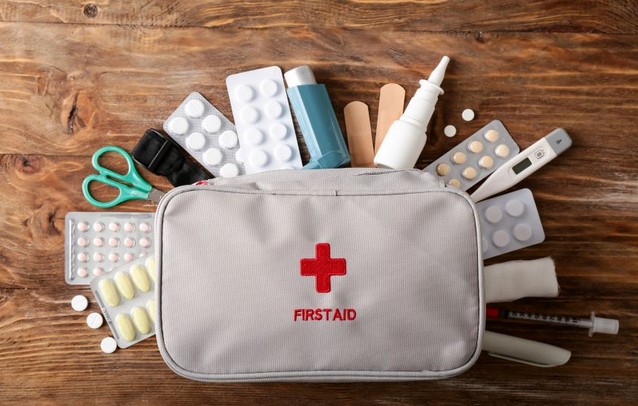
Accidents happen when we least expect them, and being prepared for emergencies is essential for the safety and well-being of yourself and those around you. Whether you are at home, on the go, or enjoying outdoor activities, having a well-stocked first aid kit can make a critical difference in responding to an emergency. Creating a first aid kit is not just about having band-aids and antiseptic wipes; it involves carefully selecting the right items to address a range of injuries and medical situations. In this article, we will provide essential tips for creating a life-saving first aid kit, ensuring that you’re prepared for the unexpected.
Why Having a First Aid Kit is Crucial
In a medical emergency, prompt action can save lives. A first aid kit is designed to address minor injuries and stabilize more serious conditions until professional medical help arrives. It serves as an essential tool in situations like cuts, burns, sprains, or allergic reactions, as well as more serious scenarios such as choking, heart attacks, or sudden illness. By creating a first aid kit that is well-equipped and tailored to your specific needs, you ensure that you can respond quickly and effectively in emergencies.
A well-organized first aid kit not only helps provide immediate relief but also offers peace of mind, knowing that you have the right tools at your fingertips. From basic items like gauze and scissors to more advanced supplies such as medications and splints, the components of your kit should be chosen based on common health issues, activities you participate in, and the environments you spend time in.
Key Components for Your First Aid Kit
To ensure that your first aid kit is comprehensive and effective, it’s essential to include the following items:
1. Basic Medical Supplies
These are the foundation of any first aid kit. These items are meant to address minor injuries like cuts, scrapes, and blisters, as well as to manage pain and discomfort in case of emergencies.
- Adhesive Bandages (Band-Aids): These are essential for small cuts, blisters, and abrasions. Include a variety of sizes to cover different injuries.
- Sterile Gauze Pads: For larger wounds, these help stop bleeding and absorb fluids while protecting the injury from infection.
- Adhesive Tape: Useful for securing gauze or bandages in place. Make sure to use hypoallergenic tape to avoid irritation.
- Antiseptic Wipes or Solution: Alcohol-free wipes or antiseptic solutions are essential for cleaning wounds and preventing infection.
- Cotton Balls or Swabs: For applying ointments or cleaning small wounds, cotton balls are a versatile tool in any kit.
- Antibiotic Ointment: A tube of antibiotic ointment like Neosporin can help prevent infections in minor cuts and scrapes.
- Burn Cream or Gel: Burn injuries can be serious, even from minor sources of heat. Keep a burn relief gel in your kit to treat skin burns.
- Tweezers: Useful for removing splinters, ticks, or small foreign objects from wounds.
- Scissors: To cut bandages, tape, or clothing in case of an injury.
2. Medications and Health Essentials
Depending on the size and intended use of your first aid kit, including essential medications is an important consideration. Certain medications can provide relief in an emergency until medical help arrives.
- Pain Relievers: Keep over-the-counter medications such as ibuprofen, acetaminophen, or aspirin to treat pain, inflammation, or fever. If you’re creating a first aid kit for an active family, consider adding children’s doses as well.
- Antihistamines: If you or someone in your family is prone to allergies, include antihistamines like Benadryl. They can be a lifesaver in cases of mild allergic reactions such as hives, swelling, or insect stings.
- Aspirin: This is particularly important for adults who may be at risk of heart-related issues. Aspirin can help during a suspected heart attack, though it should be used under medical guidance.
- Inhalers or EpiPens: If you or someone in your family has asthma or severe allergies, be sure to include the appropriate medications or devices, such as a rescue inhaler or an epinephrine injection (EpiPen), to manage acute reactions.
- Anti-Nausea Medication: If you’re prone to motion sickness or nausea, anti-nausea tablets like Dramamine can help during trips or travel.
3. Specialized Items Based on Activity or Environment
The specific nature of your first aid kit will depend on where you intend to use it. A home first aid kit may require different components than one you take on outdoor adventures, road trips, or even to the gym. Consider the activities and environments you frequent and tailor your first aid kit accordingly.
- Elastic Bandage (like an ACE bandage): These are essential for sprains, strains, or wrapping an injured limb. They provide compression and help reduce swelling.
- Cold and Hot Packs: These are essential for reducing swelling from sprains or strains (cold packs) or soothing sore muscles (hot packs).
- Instant Cold Compress: A cold compress is essential for reducing swelling, especially in cases of sprains or fractures.
- Thermometer: A thermometer is an important tool for detecting fever. Digital thermometers are easy to use and provide accurate readings.
- Snake Bite Kit: If you live in or are traveling to areas where snakes are a concern, it’s essential to carry a snake bite kit that includes suction devices and proper instructions for managing a snake bite until help arrives.
- Splints: If you plan on using your first aid kit for outdoor activities, a splint could be crucial for stabilizing a broken bone until you can seek proper medical attention.
4. Personal Protective Equipment (PPE)
Personal protective equipment is essential for preventing infection and ensuring safe treatment during emergencies.
- Gloves: Disposable gloves are necessary to protect yourself and others from bodily fluids when administering first aid.
- Face Mask: In situations where you need to administer CPR or first aid, a mask can provide a barrier to reduce the risk of airborne pathogens.
- Face Shield or Goggles: In certain situations, especially when dealing with bodily fluids, face shields or goggles are important to protect your eyes.
Storage and Organization of Your First Aid Kit
When it comes to creating a first aid kit, the storage container is just as important as the supplies inside. Ensure that your kit is stored in a durable, easy-to-carry container, such as a waterproof bag or a plastic box with compartments for easy organization. A well-organized kit will allow you to quickly find the item you need in an emergency.
- Clearly Label Items: Use small containers or bags to separate different categories of supplies, such as medications, bandages, and tools. A labeled list of contents inside the kit can also help guide you in an emergency.
- Keep It Accessible: Store your first aid kit in an easy-to-reach location where it can be quickly accessed in times of need. Avoid placing it in a cabinet or drawer that might be hard to open quickly.
- Regularly Check and Replenish: Periodically check the contents of your first aid kit to ensure that items are not expired and that you have everything you need. Replenish supplies that have been used and replace any items that are no longer in good condition.
In conclusion, creating a first aid kit is an essential step toward ensuring the safety of yourself and those around you. Whether it’s for everyday use at home, a road trip, or an outdoor adventure, a well-stocked first aid kit can be a lifesaver in emergencies. By including the right mix of medical supplies, medications, and specialized tools based on your needs, you’ll be prepared to address a range of injuries and health conditions. Don’t forget to regularly check your kit to ensure it’s always ready for use. With the right preparation, you’ll be able to provide timely and effective assistance in critical situations.