The Ketogenic Diet: A Beginner’s Guide to Ketosis and Fat Loss
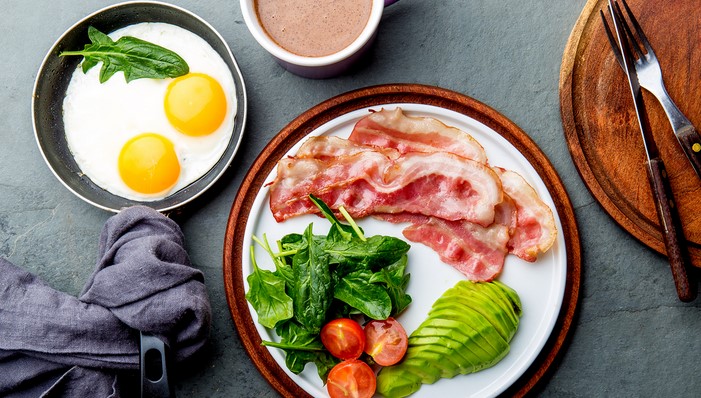
The Ketogenic Diet has gained immense popularity in recent years, especially among individuals seeking to lose weight and improve their overall health. By drastically reducing carbohydrate intake and replacing it with healthy fats, the diet puts the body into a state called ketosis, where it begins to burn fat for energy instead of carbohydrates. For beginners, the concept of ketosis and how it aids in fat loss might seem complicated, but it’s actually a straightforward approach to eating that can lead to impressive results. In this article, we will provide a comprehensive guide to the ketogenic diet, explain how it works, and share practical tips for getting started.
What is the Ketogenic Diet?
The Ketogenic Diet is a low-carbohydrate, high-fat diet that has been shown to help with weight loss, improve metabolic health, and even provide therapeutic benefits for certain medical conditions. At its core, the diet encourages a drastic reduction in carbohydrates, replacing them with healthy fats and moderate amounts of protein.
In a typical diet, your body gets its energy primarily from carbohydrates, which are converted into glucose (sugar) for fuel. However, when you reduce your carb intake significantly, your body enters a state called ketosis, where it starts breaking down fats into ketones to use as an alternative energy source. This shift in fuel sources is the key to the Ketogenic Diet’s effectiveness in promoting fat loss and improving overall metabolic health.
Key Macros in the Ketogenic Diet
To achieve ketosis, it’s crucial to adjust your macronutrient intake. Here’s a typical macronutrient breakdown for the ketogenic diet:
- Fat: Around 70-75% of your total daily calories should come from healthy fats. This includes sources such as avocados, olive oil, coconut oil, nuts, seeds, and fatty fish.
- Protein: About 20-25% of your daily intake should be protein. It’s important to focus on moderate protein consumption, as too much protein can prevent ketosis. Sources include grass-fed meat, eggs, poultry, and tofu.
- Carbohydrates: Only about 5-10% of your daily calories should come from carbohydrates. This typically translates to about 20-50 grams of net carbs per day. The focus is on low-carb, nutrient-dense foods such as leafy greens, non-starchy vegetables, and berries.
The goal of this macronutrient breakdown is to shift the body’s primary energy source from glucose to fat, thus inducing ketosis.
How Does the Ketogenic Diet Work for Fat Loss?
The Ketogenic Diet is effective for fat loss for several reasons, including its impact on hunger, energy expenditure, and the body’s ability to burn fat for fuel.
1. Increased Fat Burning through Ketosis
When the body is in ketosis, it begins breaking down fats into molecules called ketones, which can be used by the brain and muscles for energy. Because the body is burning fat as its primary fuel source, you begin to burn more fat—both from the food you eat and from your fat stores. This fat-burning process leads to a reduction in overall body fat, which is the primary goal for many people on the ketogenic diet.
2. Reduced Appetite
One of the main benefits of the Ketogenic Diet is that it tends to reduce appetite. High-fat, low-carb diets have been shown to help stabilize blood sugar levels and reduce hunger hormones, making you feel fuller for longer periods of time. As a result, you may naturally consume fewer calories, contributing to fat loss without feeling deprived or hungry.
3. Improved Insulin Sensitivity
By lowering carbohydrate intake, the ketogenic diet helps improve insulin sensitivity. When insulin sensitivity improves, the body is better able to process and store glucose effectively, reducing fat storage and promoting fat burning. Additionally, lower insulin levels can help prevent fat accumulation, particularly in the abdominal area.
4. Increased Energy and Mental Clarity
Many people report feeling more energetic and mentally clear once they adapt to the ketogenic diet. This may be because ketones provide a more stable and efficient energy source for the brain compared to glucose. The steady supply of energy from fat allows for improved physical performance and better cognitive function, helping you stay motivated and active, which can further support fat loss.
Getting Started with the Ketogenic Diet
If you’re interested in starting the Ketogenic Diet, here are some practical steps to help you ease into it and set yourself up for success:
1. Gradually Reduce Carbs
While some people prefer to jump straight into a very low-carb, high-fat diet, a more gradual reduction in carbohydrates might be easier for beginners. Start by eliminating processed foods, sugary snacks, and refined carbs, and slowly reduce your intake of grains, starchy vegetables, and fruit. This gradual reduction can help prevent symptoms of the “keto flu,” which may include fatigue, headaches, and irritability during the initial transition into ketosis.
2. Focus on Whole, Nutrient-Dense Foods
On the Ketogenic Diet, it’s important to focus on whole foods that are rich in nutrients, especially healthy fats. Choose foods like:
- Avocados: Rich in healthy fats, fiber, and potassium, making them an excellent choice on the ketogenic diet.
- Leafy Greens and Non-Starchy Vegetables: These are low in carbs but rich in vitamins, minerals, and fiber.
- Fatty Fish: Salmon, mackerel, and sardines are high in omega-3 fatty acids, which support heart health and reduce inflammation.
- Nuts and Seeds: Almonds, walnuts, chia seeds, and flaxseeds provide a great source of fats and protein while keeping carbs low.
3. Track Your Macros
To ensure you’re staying within the correct macronutrient ratios for ketosis, it can be helpful to track your daily intake of fats, protein, and carbs. There are many apps and tools available, such as MyFitnessPal and Carb Manager, that can help you log your food and monitor your progress.
4. Stay Hydrated and Replenish Electrolytes
As your body adapts to the Ketogenic Diet, it may excrete more water and electrolytes, so it’s important to stay hydrated and replenish essential minerals like sodium, potassium, and magnesium. Consider adding electrolyte-rich foods such as leafy greens, nuts, and seeds to your diet, or drink electrolyte supplements to prevent dehydration and cramping.
5. Be Patient and Allow Your Body to Adapt
The transition to ketosis can take a few days to a few weeks. During this time, your body is adjusting to using fat as its primary fuel source instead of carbohydrates. It’s common to experience temporary symptoms such as fatigue or brain fog, but these should subside once your body becomes fully adapted to burning ketones. Be patient, and trust the process as your body learns to efficiently burn fat for energy.
The Ketogenic Diet offers a powerful approach to fat loss by promoting the use of fat as the body’s primary fuel source. By drastically reducing carbohydrates and increasing healthy fats, the diet puts the body into ketosis, which encourages fat-burning and improved metabolic health. For beginners, the ketogenic diet may seem challenging, but with the right approach and a little patience, it can lead to significant health benefits, including weight loss, increased energy, and enhanced mental clarity.
Before starting the ketogenic diet, it’s essential to consult with a healthcare professional, particularly if you have any underlying health conditions. The ketogenic diet may not be suitable for everyone, but for many individuals, it can be a highly effective tool for achieving long-term health and fat loss goals. With careful planning and commitment, the ketogenic diet can help you reach your fitness and wellness goals while improving your overall quality of life.