Detoxing and Cleansing: Separating Fact from Fiction
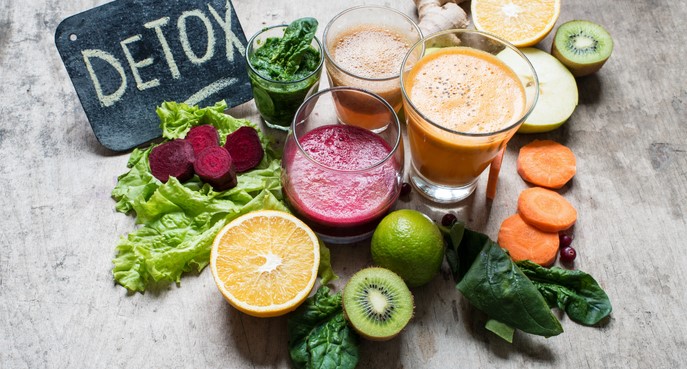
In recent years, detoxing and cleansing have become popular trends in the health and wellness world. From juice cleanses to detox teas, many people are turning to various methods to rid their bodies of toxins and promote better health. However, while the idea of detoxing and cleansing is enticing, there is often confusion about what these practices really entail and how effective they actually are. In this article, we will explore the truth behind detoxing and cleansing, examine the scientific evidence, and help you differentiate between facts and myths surrounding these popular health practices.
Understanding the Concept of Detoxing and Cleansing
At its core, detoxing and cleansing refers to the process of eliminating harmful substances or toxins from the body. The body has natural detoxification systems, including the liver, kidneys, intestines, and skin, which work together to neutralize and eliminate toxins. These systems are highly efficient at processing waste, filtering toxins, and maintaining internal balance. However, modern lifestyles, poor diets, and environmental pollution can sometimes overload these systems, leading people to seek out external interventions like detox diets, supplements, or juice cleanses.
Detoxing and cleansing methods promise to improve health by “detoxifying” the body, usually through specific food restrictions, fasting, or drinking specialized beverages. But do these practices actually enhance the body’s natural detoxification process, or are they just marketing hype? Let’s take a closer look at some of the most common claims and examine them critically.
The Truth Behind Popular Detoxing and Cleansing Methods
1. Juice Cleanses and Fasting
One of the most popular methods of detoxing and cleansing is through juice cleanses. These typically involve consuming only fresh fruit and vegetable juices for several days, with the idea being that juicing helps to flush out toxins while providing the body with a concentrated dose of vitamins and minerals. Proponents claim that juice cleanses help with weight loss, boost energy levels, and promote clearer skin.
While it’s true that juice cleanses provide a high intake of nutrients, they are not a magic solution for detoxification. The body’s liver and kidneys are already highly effective at removing waste, so there is little evidence to suggest that juice cleanses enhance this process. In fact, juice cleanses can often lead to nutrient imbalances, as they tend to be low in protein and healthy fats. Additionally, the high sugar content in fruit juices can spike insulin levels, leading to energy crashes and irritability.
Fasting, which involves abstaining from food for a certain period, is another popular detox practice. While intermittent fasting can offer health benefits such as improved insulin sensitivity and potential weight loss, it is not a guaranteed way to “cleanse” the body. Like juice cleanses, fasting may provide temporary results, but it doesn’t necessarily enhance the natural detoxification processes of the body. Moreover, long-term fasting can be harmful, leading to nutrient deficiencies and metabolic imbalances.
2. Detox Teas and Supplements
Detox teas and supplements are often marketed as quick and easy ways to detoxify the body. These products usually contain herbal ingredients like dandelion root, ginger, or senna, which are believed to have detoxifying or digestive properties. The claim is that these herbs help cleanse the liver, kidneys, and colon, expelling toxins and promoting better overall health.
While some herbs like ginger and dandelion root have mild diuretic and anti-inflammatory properties, there is little scientific evidence to support the idea that detox teas or supplements can rid the body of toxins. The body’s detoxification organs (the liver, kidneys, and gastrointestinal tract) are responsible for eliminating waste without the need for external supplements. Additionally, many detox teas contain ingredients like senna, a natural laxative, which can lead to dehydration and electrolyte imbalances if used excessively.
It’s also worth noting that some detox teas are marketed with the promise of weight loss. While they may result in temporary water weight loss due to their diuretic effects, this is not a healthy or sustainable way to lose fat. Prolonged use of detox teas can also irritate the digestive system and cause long-term gastrointestinal issues.
3. Colon Cleansing and Enemas
Colon cleansing, which involves flushing the colon with water or specific herbal solutions, is another detox trend that has gained popularity. The theory behind colon cleansing is that it helps remove built-up waste and toxins from the digestive system, leading to improved health and better digestion.
However, there is little scientific evidence to support the idea that colon cleansing is necessary or beneficial for overall health. The colon is already equipped with natural mechanisms for eliminating waste, and the process of “cleansing” through water or other solutions is unnecessary for most people. In fact, frequent colon cleansing can disrupt the natural balance of gut bacteria, leading to dehydration, electrolyte imbalances, and potential damage to the intestinal lining. Enemas should be used only under medical supervision and when medically necessary.
The Science of Detoxification: What Actually Works?
While there is no magic pill or cleanse that can instantly detoxify the body, there are several evidence-based practices that can support your body’s natural detoxification systems and improve your overall health.
1. Supporting the Liver
The liver plays a central role in detoxification, processing harmful substances like alcohol, medications, and metabolic waste. To support liver health, focus on eating a balanced diet rich in antioxidants and nutrients. Foods like cruciferous vegetables (broccoli, cauliflower, kale), garlic, turmeric, and green tea have been shown to support liver function and promote the body’s natural detoxification processes. Staying hydrated and avoiding excessive alcohol consumption can also help the liver perform optimally.
2. Gut Health and Digestion
A healthy gut is essential for proper digestion and the elimination of waste. Eating fiber-rich foods, such as fruits, vegetables, legumes, and whole grains, helps to support regular bowel movements and remove toxins from the digestive tract. Probiotics and prebiotics, found in foods like yogurt, kefir, and fermented vegetables, can also promote healthy gut bacteria, which play a vital role in the detoxification process.
3. Hydration
Drinking plenty of water is one of the simplest and most effective ways to support detoxification. Water helps the kidneys filter waste and flush it from the body through urine. Staying well-hydrated also supports healthy skin, digestion, and overall vitality. Aim to drink at least 8 cups (64 ounces) of water daily, or more if you are physically active or in a hot climate.
In conclusion, detoxing and cleansing have become buzzwords in the health and wellness world, but it’s essential to approach these practices with a critical eye. While there are some potential benefits to certain detox practices, such as supporting liver health, hydration, and gut function, many popular detox methods are not backed by scientific evidence and can even be harmful in some cases. Instead of relying on trendy cleanses or supplements, focus on supporting your body’s natural detoxification systems through a balanced diet, hydration, and a healthy lifestyle. By making informed choices, you can promote your health and well-being in a sustainable way, without falling for myths and false promises.