First Aid for Burns: How to Handle Minor and Severe Burns
You are preparing dinner, the kitchen is humming, and you reach across the stove to grab a spice jar. In a fraction of a second, your forearm brushes against the screaming-hot edge of a cast-iron skillet. Your reflex is instant—you pull away, but the damage is done. A searing, white-hot flash of pain takes over, and within minutes, the skin turns an angry, throbbing red.
In that precise moment, what you do next determines whether that injury heals seamlessly in a week or turns into a deeply scarred, infected wound requiring a trip to the emergency room.
Over my ten years working as a health writer alongside emergency medical technicians (EMTs) and burn unit nurses, I have seen how quickly people panic when skin meets fire. I have watched well-meaning parents apply everything from cold butter and toothpaste to ice cubes and raw eggs to fresh wounds.
From my years on the medical frontline, I have learned one undeniable truth: most long-term complications from burns don’t happen because of the initial fire; they happen because of terrible first aid choices made in the first five minutes.
Let’s dismantle the dangerous old-wives’ tales, understand how thermal damage affects your skin layers, and build a definitive blueprint for executing proper first aid for burns.
Anatomy of a Burn: Understanding the Layers of Damage
To understand how to treat a burn, you have to understand what a burn actually is. Think of your skin as a highly sophisticated, multi-layered defensive shield protecting a fortress.
[ Flame / Heat Source ] ──> Epidermis (1st Degree: Sunburn-like)
                                 │
                                 ▼
                           Dermis (2nd Degree: Blisters/Raw)
                                 │
                                 ▼
                     Subcutaneous (3rd Degree: Leathery/Nerve Damage)
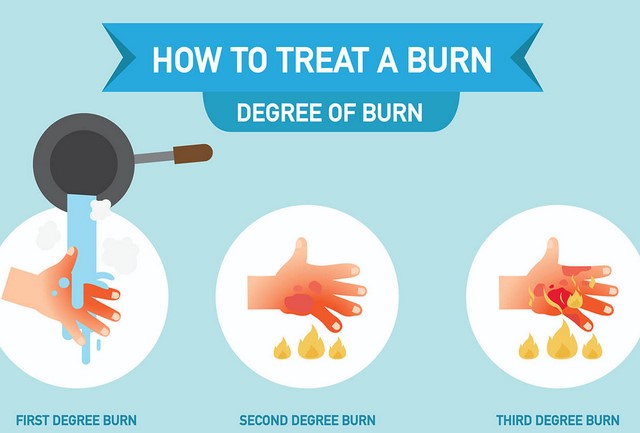
When heat makes contact with this shield, it doesn’t just damage the surface; it cooks the underlying protein structures. The medical community classifies this cellular destruction into three distinct categories:
First-Degree Burns (Superficial)
This damage is strictly contained within the epidermis, the outermost layer of your skin. It looks dry, turns bright red, is highly sensitive to the touch, and typically heals within 3 to 6 days without scarring. A classic example is a mild sunburn or a brief splash of hot water.
Second-Degree Burns (Partial Thickness)
The heat has breached the first wall and penetrated deeper into the dermis. This layer contains your sweat glands and hair follicles. These injuries are incredibly painful, swell intensely, and produce fluid-filled blisters.
Third-Degree Burns (Full Thickness)
This is a critical medical emergency. The heat has completely incinerated both the epidermis and dermis, reaching the deep subcutaneous fatty tissue, muscles, or even bone. Paradoxically, these wounds often do not hurt initially because the heat has destroyed the local pain receptors and nerve endings. The skin will look charred, white, or leathery.
Step-by-Step Protocol: First Aid for Minor Burns
For first and minor second-degree injuries (smaller than 3 inches in diameter), your primary objective is to stop the thermal energy from cooking deeper into your tissue.
1. Cool the Burn Immediately
Forget the ice. Run cool, comfortable tap water over the injury for at least 10 to 20 minutes.
-
Do not use freezing water, as extreme cold causes your blood vessels to violently constrict (vasoconstriction), restricting blood flow and worsening the tissue death.
-
Think of it like a hot hard-boiled egg; even after you take it out of the boiling water, the inside keeps cooking unless you shock it under a cool stream.
2. Remove Constricting Items
As inflammation sets in, the injured area will swell rapidly. Gently remove rings, bracelets, watches, or tight clothing before the area turns into a localized tourniquet, cutting off vital arterial blood supply.
3. Protect and Cover
Once the skin has cooled completely, apply a thin layer of pure aloe vera gel or a dedicated petroleum jelly to keep the wound moist. Cover it loosely with a sterile, non-stick gauze bandage. Do not wrap it tightly, as you need to avoid putting friction or pressure on the damaged cells.
Triage Protocol: Managing Severe, Deep Burns
If you are dealing with a third-degree injury, a chemical burn, or an electrical shock, your immediate priority shifts from home care to keeping the person alive until professional paramedics arrive.
-
Call Emergency Services Immediately: Dial your local emergency number (911 or equivalent) the second you recognize a full-thickness injury.
-
Do Not Remove Stuck Clothing: If clothes are melted or charred directly into the wound, leave them completely alone. Tearing the fabric away will rip out pieces of deep dermal tissue, causing catastrophic bleeding and increasing the risk of systemic infection.
-
Elevate Above the Heart: If possible, raise the burned extremity above the level of the patient’s chest to minimize severe localized fluid accumulation and swelling.
-
Monitor for Medical Shock: Deep trauma causes blood pressure to plummet. Keep the patient flat, wrap them in a clean, dry blanket to maintain core body temperature, and monitor their breathing continuously.
Crucial Metrics: When to Seek Immediate Emergency Medical Care
| Burn Characteristics | Size & Location | When to Go to the ER |
| Third-Degree | Any size, skin looks white, black, or leathery. | Instantly. Requires professional debridement and skin grafts. |
| Critical Locations | Hands, feet, face, groin, or major joints. | Immediately. Swelling in joints causes loss of mobility; facial burns threaten the airway. |
| Large Scale | Any second-degree burn larger than 3 inches. | Promptly. Large fluid loss through blisters can cause severe dehydration. |
Hidden Warning: The Danger of Kitchen Myths
As a seasoned health journalist, this is my most urgent piece of professional advice: never, under any circumstances, apply butter, mayonnaise, toothpaste, or oil to a fresh burn.
[ Raw Burn Wound ] + [ Butter / Oil / Toothpaste ] ──> Traps Radical Heat
                                                            │
                                                            ▼
                                        Drives Destruction Deeper into Skin Layers
Oils and thick fats act as thermal insulators. When you coat a fresh injury in butter, you trap the residual heat inside the skin, forcing the thermal energy to continue driving deeper into your living tissue layers.
Furthermore, kitchen products are loaded with ambient bacteria. Smearing them onto broken skin introduces pathogens directly into an open wound, almost guaranteeing a severe bacterial infection.
Tips Pro dari Expert: If a fluid-filled blister forms on your skin, do not pop it. That blister is a highly sterile, bio-engineered biological band-aid created by your immune system to protect the raw dermis underneath. Popping it breaks the sterile seal, exposing the delicate new skin cells to air, friction, and environmental contamination.
Securing a Safe Recovery
Once the initial crisis has passed, healing becomes your long-term project. Keep the wound clean by washing it gently with mild soap and water daily.
Once new skin forms over the area, protect it with a high-SPF sunscreen for at least one full year. The newly regenerated tissue lacks mature melanin and is incredibly vulnerable to permanent UV hyperpigmentation, which causes deep, dark scarring.
Reclaim Peace of Mind in Your Home
Accidents happen in a blink of an eye, but armed with the correct clinical knowledge, you can transform from a panicked bystander into a capable, effective first responder. Check your home first aid kit this evening—make sure you have sterile gauze, non-stick pads, and a fresh bottle of medical-grade burn gel readily accessible.
Have you ever had to manage a sudden burn in your kitchen or workplace? What did you apply to it first, and how did it heal? Let’s share our practical safety tips and support each other in the comments below!