Top Stress Relief Exercises You Can Do at Home
In an increasingly demanding world, stress has become a common part of daily life. Tight deadlines, personal responsibilities, and constant digital connectivity can overwhelm both the body and mind. Fortunately, incorporating Stress Relief Exercises into your routine can significantly reduce tension, enhance mental clarity, and promote emotional balance. The advantage of these exercises is that they require minimal equipment and can be performed in the comfort of your home. This article explores practical, science-backed techniques to help you manage stress effectively and introduces an innovative method designed to amplify relaxation results.
Understanding the Impact of Stress on the Body and Mind
Stress is the body’s natural response to perceived challenges or threats. When triggered, it activates the sympathetic nervous system, releasing hormones such as cortisol and adrenaline. While short-term stress can enhance focus and performance, chronic stress can negatively affect physical and psychological health.
Common symptoms of prolonged stress include:
- Muscle tension and headaches
- Sleep disturbances
- Irritability or mood swings
- Decreased concentration
- Fatigue and low motivation
Over time, unmanaged stress can contribute to more serious health conditions, including cardiovascular issues and weakened immune function. Therefore, adopting intentional relaxation practices is not merely beneficial but essential for long-term well-being.
Home-based exercises are particularly valuable because they eliminate common barriers such as travel time, gym memberships, or complex equipment. When practiced consistently, these techniques help regulate the nervous system and restore equilibrium between mental and physical states.
Physical Stress Relief Exercises for Immediate Calm
Physical movement is one of the most effective ways to discharge built-up tension. Engaging the body helps metabolize excess stress hormones and stimulates the release of endorphins, the body’s natural mood enhancers.
Deep Breathing with Progressive Muscle Relaxation
This exercise combines controlled breathing with systematic muscle release. Begin by sitting or lying comfortably. Inhale slowly through your nose for four seconds, hold for four seconds, and exhale through your mouth for six seconds. As you breathe, gradually tense and then release each muscle group, starting from your toes and moving upward.
This technique reduces heart rate, lowers blood pressure, and creates a deep sense of calm. Practicing for just 10 minutes daily can significantly reduce overall stress levels.
Low-Impact Cardio Movements
Simple activities such as brisk walking in place, light dancing, or stepping exercises can quickly improve mood. These movements increase circulation and oxygen flow to the brain, enhancing mental clarity.
Aim for 20–30 minutes of moderate movement. Even short bursts of five-minute activity sessions throughout the day can make a noticeable difference.
Yoga-Based Stretching
Yoga integrates breathing with mindful movement, making it particularly effective for stress reduction. Gentle poses such as Child’s Pose, Cat-Cow Stretch, and Forward Fold release tension stored in the back, neck, and shoulders.
Regular stretching improves flexibility while signaling the nervous system to relax. The mindful focus required in yoga also diverts attention away from stressors, promoting mental stability.
Bodyweight Strength Training
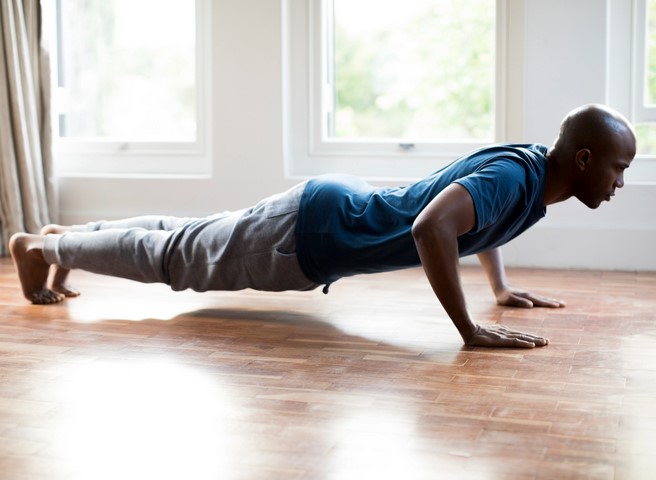
Exercises such as squats, lunges, push-ups, and planks not only build physical strength but also enhance psychological resilience. Strength training encourages focus and discipline, redirecting mental energy away from anxious thoughts.
Completing structured sets and repetitions provides a sense of accomplishment, which can counter feelings of overwhelm.
Mental and Innovative Techniques for Long-Term Stress Reduction
While physical activity is essential, mental relaxation strategies are equally important for sustainable stress management.
Guided Visualization
Visualization involves mentally transporting yourself to a peaceful setting. Close your eyes and imagine detailed sensory elements such as sounds, scents, and textures. This method activates neural pathways similar to real experiences, promoting relaxation.
Five to ten minutes of visualization can reduce anxiety and improve mood before important tasks or after a demanding day.
Mindfulness Meditation
Mindfulness encourages non-judgmental awareness of the present moment. Sit quietly and focus on your breath. When thoughts arise, acknowledge them without attachment and gently return your attention to breathing.
Consistent practice strengthens emotional regulation and reduces rumination, a common contributor to stress.
The “Rhythmic Reset Method” – A New Home-Based Approach
To enhance traditional relaxation techniques, consider integrating an innovative strategy called the Rhythmic Reset Method. This method combines controlled breathing, subtle body tapping, and synchronized movement to recalibrate the nervous system.
The process includes three phases:
- Breath Alignment: Inhale deeply for four counts and exhale for six counts to slow heart rate.
- Rhythmic Tapping: Lightly tap alternating shoulders or thighs in a steady rhythm. This bilateral stimulation encourages neural balance and reduces emotional intensity.
- Synchronized Movement: Gently sway or rock side to side while maintaining controlled breathing.
This combined approach engages both hemispheres of the brain while maintaining physical grounding. Practicing for 8–12 minutes can significantly reduce stress reactivity and improve emotional clarity. The Rhythmic Reset Method is particularly effective after high-pressure meetings or emotionally demanding interactions.
Journaling with Structured Reflection
Writing down stress triggers and corresponding emotional responses fosters awareness and problem-solving. Divide a page into three sections:
- Situation
- Emotional Reaction
- Constructive Response
This structured reflection helps transform reactive thinking into proactive coping.
Creating a Sustainable At-Home Stress Relief Routine
The effectiveness of stress relief exercises depends on consistency rather than intensity. Instead of waiting for stress to accumulate, proactive daily practice yields the best results.
Consider the following routine framework:
- Morning: Five minutes of deep breathing and light stretching
- Midday: Ten-minute brisk movement session
- Evening: Guided visualization or mindfulness meditation
Combining physical and mental exercises creates a comprehensive stress management system. Adjust duration and intensity according to your schedule and energy levels.
It is also beneficial to designate a specific area in your home as a relaxation space. A quiet corner with minimal distractions can reinforce habit formation and signal your brain that it is time to unwind.
Tracking progress can further motivate consistency. Notice improvements in sleep quality, mood stability, and concentration levels over time. Small daily efforts accumulate into substantial long-term benefits.
In conclusion, managing stress effectively does not require expensive programs or complex equipment. By incorporating breathing techniques, mindful movement, strength training, visualization, and innovative strategies such as the Rhythmic Reset Method, individuals can significantly enhance emotional and physical well-being from home. Consistent practice of Stress Relief Exercises strengthens resilience, improves mental clarity, and promotes sustainable balance in everyday life.