Heart Disease Prevention: How to Lower Your Risk with Healthy Habits
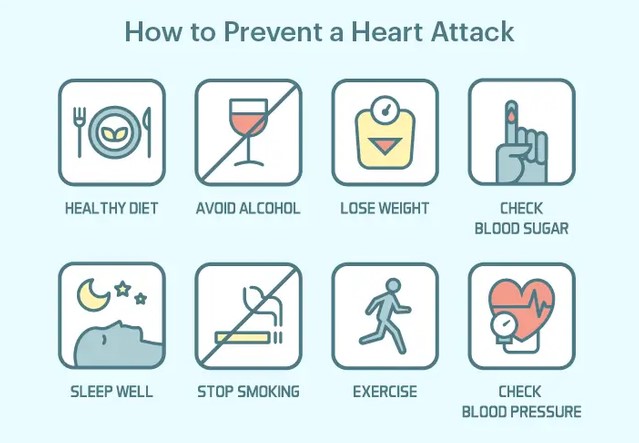
Every 33 seconds, a life is lost to cardiovascular disease in the United States alone. That is not just a cold statistical figure—that is someone’s parent, partner, or lifelong friend suddenly disappearing from a family dinner table. Yet, here is the most striking truth I have learned in my decade covering cardiovascular medicine: up to 80% of premature heart attacks and strokes are entirely preventable.
Throughout my ten years writing alongside cardiologists, shadowing preventive care clinics, and analyzing lipid panels, I have noticed a recurring tragedy. Most people treat heart health like an emergency button—they only care about it after a chest pain scare or a terrifying blood test result. In reality, your cardiovascular system is constantly communicating with you, quietly sending signals years before a crisis ever occurs.
Real heart disease prevention is not about waiting for a wake-up call or adopting extreme, miserable lifestyle changes. It is about understanding the simple mechanics of your circulatory system and making small, daily shifts that preserve your blood vessels for a lifetime.
Understanding Your Cardiovascular Plumbing
To protect your heart, you first need to understand how it breaks down. Most people assume heart attacks happen simply because fat “gunk” clogs up an artery like a dirty kitchen sink drain. The reality is far more dynamic and dangerous.
Think of your arteries as smooth, flexible elastic pipes lined with a delicate protective Teflon layer called the endothelium. When you experience chronic high blood pressure, elevated blood sugar, or systemic inflammation, that delicate lining gets micro-scratches.
Cholesterol—specifically ApoB-containing particles like LDL—slips underneath those scratches and gets oxidized. Your immune system sends white blood cells to clean it up, creating a soft, unstable bump known as an atherosclerotic plaque. A heart attack usually doesn’t happen because the pipe slowly fills up to 100%; it happens when one of those soft bumps ruptures, forming a sudden blood clot that blocks blood flow entirely.
Core Metrics to Track with Your Doctor
-
ApoB (Apolipoprotein B): Measures the exact number of plaque-causing particles in your bloodstream (far more precise than standard LDL-C).
-
High-Sensitivity C-Reactive Protein (hs-CRP): A key biomarker indicating systemic inflammation in your vascular walls.
-
HbA1c: Reflects your average blood glucose over three months, showing how much sugar is potentially damaging your vessel walls.
-
Blood Pressure: Ideal readings should remain below 120/80 mmHg to prevent arterial wall stiffness.
4 Daily Habits for Sustainable Heart Disease Prevention
You do not need to overhaul your entire existence overnight. Focus on these four science-backed pillars that yield the highest return on investment for your cardiovascular system.
                  [ Cardiovascular Health ]
                              │
     ┌──────────────────┬─────┴────────────┬──────────────────┐
     ▼                  ▼                  ▼                  ▼
[ Dietary Shift ]  [ Physical Movement ] [ Sleep & Stress ] [ Biomarker Tracking ]
(Soluble Fiber &   (Zone 2 Cardio &      (Vagal Tone &       (ApoB, hs-CRP &
 Mediterranean)    Resistance Training)   Cortisol Control)    Blood Pressure)
1. Shift Toward Whole, Unprocessed Foods
Forget fad diets that eliminate entire food groups. Focus on fuel that calms vascular inflammation and lowers circulating lipids.
-
Prioritize Soluble Fiber: Foods like oats, beans, lentils, and psyllium husk act like a sponge in your digestive system, binding to cholesterol-rich bile acids and sweeping them out of your body.
-
Embrace Healthy Fats: Replace saturated animal fats with monounsaturated fats found in extra virgin olive oil, avocados, and omega-3-rich wild fish like salmon or sardines.
-
Cut Hidden Sodium and Added Sugars: Excess salt drives up blood volume and pressure, while refined sugars trigger metabolic dysfunction and fatty liver.
2. Move for Vascular Elasticity (Zone 2 Cardio)
Your blood vessels are surrounded by smooth muscle tissue that needs regular exercise to stay flexible.
Engaging in 150 minutes of moderate-intensity aerobic exercise per week (often called Zone 2 cardio, where you can still carry on a conversation while breathing heavily) stimulates the production of nitric oxide. Nitric oxide is a natural molecule that relaxes and dilates your arteries, instantly lowering peripheral blood pressure.
3. Protect Your Sleep Architecture
In my interviews with sleep researchers, one fact always stands out: chronic sleep deprivation keeps your sympathetic nervous system (“fight-or-flight” mode) locked on high alert.
Getting less than 7 hours of quality sleep per night elevates nighttime cortisol and adrenaline, preventing your nocturnal blood pressure from dipping naturally. Over time, this non-dipping pattern severely damages arterial elasticity.
4. Manage Stress Through Vagal Tone
Chronic stress isn’t just a mental burden; it physically alters your blood chemistry. High cortisol increases circulating triglycerides and promotes visceral fat accumulation around your internal organs. Practices that activate the vagus nerve—such as deep breathwork, cold exposure, or structured mindfulness—actively lower your heart rate and blunt inflammatory surges.
Pro Tips: Practical Strategies for Long-Term Success
Over a decade of testing strategies with clients and readers has taught me that the best preventive routine is the one you actually stick with.
Pro Tip: Order an Advanced Lipid Panel, Not Just Standard Cholesterol
Standard cholesterol panels (total cholesterol, HDL, LDL) miss crucial risk factors. Next time you request bloodwork, ask your physician for an ApoB test and a Lp(a) [Lipoprotein(a)] test. Lp(a) is a genetically determined, highly independent risk factor for early heart disease that only needs to be checked once in your lifetime.
Crucial Daily Checklist:
-
Eat at Least 30 Grams of Fiber Daily: Gradually increase your intake to avoid digestive discomfort.
-
Take a Daily Walk After Dinner: A brisk 10-to-15-minute walk post-meal significantly dampens postprandial glucose spikes.
-
Check Your Own Blood Pressure at Home: White-coat hypertension (elevated pressure at the doctor’s office) is real. Get an validated home cuff and measure your pressure in a calm state morning and night for one week.
Hidden Warnings: Common Cardiovascular Pitfalls
Even well-intentioned individuals frequently fall into traps that silently undermine their progress:
-
Ignoring “Silent” High Blood Pressure: Hypertension earns its nickname as a “silent killer” because it rarely causes symptoms until significant organ damage has occurred. Never assume you are fine just because you “feel healthy.”
-
Relying Solely on Exercise to Offset a Poor Diet: You cannot out-run vascular damage caused by a diet high in trans fats, refined carbohydrates, and systemic inflammation.
-
Vaping and E-Cigarettes: Many switch from traditional cigarettes to vaping believing it is entirely heart-safe. Inhaled nicotine and aerosolized chemicals still cause immediate endothelial dysfunction and arterial stiffness.
-
Neglecting Gum Health: Chronic periodontal disease allows oral bacteria to enter your bloodstream, triggering systemic inflammatory cascades that accelerate plaque formation in your coronary arteries.
Take Charge of Your Heart Today
Your cardiovascular destiny is rarely set in stone. While genetics loads the gun, your daily choices pull the trigger—or keep the safety switch firmly on. Practicing effective heart disease prevention does not require a complete lifestyle overhaul overnight; it starts with the very next choice on your plate, the next walk you take, and the next conversation you have with your doctor.
Give your blood vessels the care they deserve today, so they can keep supporting your life for decades to come.
Join the Conversation!
What is one small habit you are planning to introduce this week to protect your heart health? Have you ever had an advanced lipid panel or checked your home blood pressure? Share your experiences, questions, or tips in the comments below—let’s support each other on this journey!