Cold Prevention Strategies to Keep You Healthy All Year
It’s 3:00 AM on a Tuesday, and your throat feels like you’ve swallowed a handful of dry sand. You know the drill: the stuffy nose follows, then the brain fog, and suddenly your productive week is replaced by a mountain of used tissues and overpriced electrolyte drinks. On average, adults experience two to three colds per year, and while we often dismiss it as “just a bug,” the common cold accounts for millions of missed workdays and a staggering amount of misery.
In my decade as a health writer and practitioner, I’ve noticed a frustrating pattern. People usually only care about Cold Prevention Strategies once they are already sick. They start chugging orange juice and popping zinc supplements as if they’re trying to put out a forest fire with a garden hose.
The real “secret” I’ve learned from working with immunology experts isn’t a miracle pill—it’s about fortifying your “biological fortress” before the invaders even reach the gates. Let’s dive into how you can stay resilient regardless of the season.
1. The Anatomy of an Invasion: How Colds Actually Work
To prevent a cold, you have to understand the enemy. Rhinoviruses don’t just magically appear because you stepped outside with wet hair (a total myth, by the way). They are tiny opportunists that enter through your eyes, nose, or mouth.
Think of your immune system as a Security Team for a high-end building.
-
The Gates: Your mucous membranes and nasal hairs.
-
The Guards: Your white blood cells (Leukocytes).
-
The Intelligence Agency: Your antibodies, which remember past invaders.
When your body is stressed, dehydrated, or sleep-deprived, the security team takes a coffee break. That is when the virus slips through. Effective Cold Prevention Strategies are essentially “staff training” and “gate maintenance” for your body’s defense system.
2. Hygiene Beyond Handwashing: The First Line of Defense
We all know we should wash our hands, but few people do it effectively. After years of observing clinical settings, I can tell you that most people treat handwashing like a quick “rinse and go,” leaving behind plenty of pathogens.
The “Fomite” Factor
A “fomite” is any inanimate object that can carry infection. Your phone, your car steering wheel, and your office coffee pot are prime real estate for viruses.
-
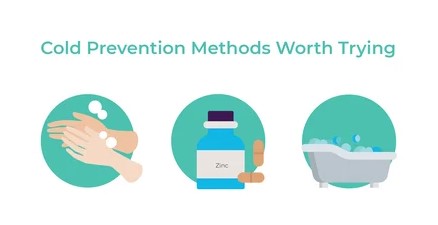
The 20-Second Rule: Use soap and friction. Friction is what actually breaks the viral envelope.
-
Don’t Touch the “T-Zone”: Your eyes, nose, and mouth form a “T” on your face. This is the main highway for viruses. Training yourself to stop touching your face is more effective than any vitamin.
3. Lifestyle Pillars: Strengthening Your Internal Fortress
Your daily habits dictate how quickly your immune guards can respond when a virus is detected.
Sleep: The Recovery Protocol
When you sleep, your body produces Cytokines, which are proteins that target infection and inflammation. Chronic sleep deprivation (less than 7 hours) literally suppresses your immune response. I’ve seen athletes train perfectly and eat “clean,” only to fall ill repeatedly because they averaged 5 hours of sleep. You cannot out-supplement a lack of rest.
Humidity and Nasal Health
During winter, indoor heaters dry out the air. This dries out your nasal passages, causing microscopic cracks in your “gates.”
-
Pro Tip: Use a saline nasal spray or a humidifier to keep the mucous membranes moist. A moist environment allows your nasal cilia to “sweep” viruses away effectively.
Nutrition: Beyond Vitamin C
While Vitamin C is the poster child for immunity, it’s not the only player.
-
Vitamin D3: This acts as a “modulator” for the immune system. Most people are deficient in the winter.
-
Zinc: It can actually inhibit the virus from replicating if taken very early.
-
Probiotics: 70% of your immune system lives in your gut. A healthy microbiome means a more alert security team.
4. Advanced Cold Prevention Strategies: The Pro Approach
If you’re moving into the intermediate level of health optimization, you need to look at Adaptive Stress.
The Power of Temperature Contrast
Brief exposure to cold (like a 30-second cold shower) or heat (sauna sessions) can stimulate the production of white blood cells. This is like putting your immune guards through a “fire drill.” It keeps them sharp and ready for real-world threats.
Stress Management and Cortisol
High levels of Cortisol (the stress hormone) tell your immune system to “stand down” to save energy for the perceived “fight or flight” situation. If you are constantly stressed about work, your body won’t prioritize fighting off a minor rhinovirus.
5. Expert Advice: Hidden Warnings & Real-World Insights
As someone who has reviewed hundreds of health products, I have to be honest with you about the “marketing” vs. the “science.”
-
Warning: The “Immune Booster” Lie: You don’t actually want an “overactive” immune system—that’s called an autoimmune disorder or a cytokine storm. You want an optimized and balanced immune system.
-
Pro Tip: The Window of Opportunity: There is a tiny window (usually the first 6–12 hours of a “tickle” in your throat) where high-dose Zinc acetate lozenges can significantly shorten or stop a cold. Once you’re in full-blown symptoms, it’s too late for prevention; you’re in management mode.
6. The “All-Year” Prevention Checklist
To make these Cold Prevention Strategies scannable and easy to implement, follow this daily and weekly rhythm:
Daily Habits:
-
Hydrate: Aim for half your body weight in ounces of water to keep mucous membranes functional.
-
Movement: 30 minutes of moderate exercise to circulate lymph fluid (the “trash pickup” of the immune system).
-
Zinc-Rich Foods: Incorporate pumpkin seeds, chickpeas, or lean meats.
Weekly Habits:
-
Sanitize High-Touch Gear: Wipe down your smartphone and keyboard once a week.
-
Check Your D3 Levels: Get a blood test to ensure you are in the optimal range (usually 40–60 ng/mL).
-
Sauna or Contrast Showers: Aim for 2–3 sessions to “prime” your system.
7. LSI Keywords & Technical Vocabulary
For those who want to dig into the science, keep these terms in mind when researching further:
-
Innate Immunity: The defense system you were born with (immediate response).
-
Adaptive Immunity: The system that learns from previous exposures (vaccines and past colds).
-
Upper Respiratory Tract: The nose, pharynx, and larynx—the primary targets of cold viruses.
-
Antivirals: Substances that inhibit the development of viruses.
-
Microbiome Diversity: The variety of bacteria in your gut that supports immune signaling.
Conclusion: Building Resilience Over Time
The common cold is inevitable at some point, but its frequency and severity are largely within your control. By focusing on Cold Prevention Strategies that prioritize sleep, moisture, and consistent hygiene, you move from being a “victim of the season” to a proactive guardian of your own health.
Consistency is your greatest ally. It’s the small, boring habits—washing your hands properly and getting to bed on time—that do the heavy lifting when everyone else around you is sneezing.
Which part of your “biological fortress” do you think needs the most work right now? Is it your sleep schedule or perhaps your “T-Zone” face-touching habit? Let’s chat in the comments and build a healthier community together!