Sanitation and Hygiene: Why Cleanliness is Key to Good Health
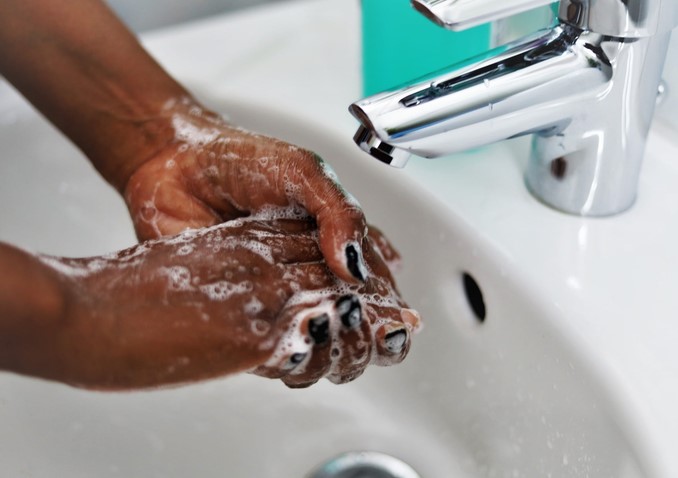
Think about the number of times your hands touched your phone, a doorknob, or your face in the last hour alone. If you are like the average human, your fingers make contact with your eyes, nose, or mouth roughly 16 to 23 times every single hour. That means every unwashed surface you touch acts as a silent freeway, delivering invisible pathogens directly into your internal biological ecosystem.
Over my decade as a health writer—field-testing public health initiatives, collaborating with infectious disease specialists, and reviewing sanitation infrastructure—I have observed an eye-opening truth. We tend to spend small fortunes on trendy supplements, biohacking routines, and high-tech fitness wearables, yet we overlook the single most effective barrier against preventable disease: fundamental cleanliness.
Mastering proper sanitation and hygiene is not about living in a sterile bubble or developing an obsessive fear of dirt. It is about understanding the microscopic world around us and building smart, daily barriers that protect our immune systems from unnecessary overload.
Defining the Twin Pillars: Sanitation vs. Hygiene
While people often use these terms interchangeably, in public health and medical sciences, they represent two distinct levels of defense.
Think of your health defense like a modern home security system. Sanitation is the external fence and gate that keeps intruders out of the neighborhood—it refers to the public infrastructure, clean water access, safe waste disposal, and environmental controls managed by communities. Hygiene, on the other hand, is the lock on your front door—it is your personal, daily habits, such as handwashing, food safety, and dental care, that prevent pathogens from stepping inside your personal space.
                  [ Pathogen Reduction Barrier ]
                               │
         ┌─────────────────────┴─────────────────────┐
         ▼                                           ▼
  [ Environmental Sanitation ]               [ Personal Hygiene ]
(Safe Water & Waste Disposal)              (Handwashing & Surface Care)
         │                                           │
         └─────────────────────┬─────────────────────┘
                               ▼
                   [ Lower Immune Stress ]
Essential Scientific Terms You Should Know
-
Fecal-Oral Route: The microscopic transmission of pathogens from contaminated waste or unwashed hands into the gastrointestinal tract.
-
Biofilm: A structured community of bacterial cells that stick to surfaces (like counters, sinks, or teeth) enclosed in a self-produced protective slime matrix.
-
Cross-Contamination: The accidental transfer of harmful bacteria or viruses from one surface, food item, or person to another.
-
Microbiome Diversity: The healthy balance of beneficial microorganisms living on your skin and inside your gut that can be disrupted by harsh chemicals or neglect.
The Biological Defense: How Cleanliness Spares Your Immune System
During my clinical visits during seasonal outbreak surges, I saw a clear pattern: people who practiced consistent hygiene didn’t just avoid stomach bugs—they possessed overall higher energy and fewer inflammatory flare-ups.
When you allow pathogens easy access into your body through poor sanitation and hygiene, your immune system is forced into a constant state of high alert. It operates like a military force fighting endless minor skirmishes along its borders.
By reducing the pathogen burden on your skin, kitchen counters, and water supply, you free up your body’s cellular resources. Instead of constantly combating opportunistic bacteria like E. coli, Salmonella, or norovirus, your immune system can focus on cellular repair, tissue regeneration, and long-term metabolic health.
4 Fundamental Cleanliness Pillars for Everyday Health
Achieving effective protection does not require complicated routines. Focus on these four core pillars that yield the greatest health benefits:
1. The Science of Proper Hand Hygiene
Rinsing your hands with cold water for three seconds isn’t handwashing—it is just getting your hands wet. To break up the oils and biofilms that trap micro-organisms, you need friction, soap, and time.
-
Lather Thorougly: Rub soap between your palms, over the backs of your hands, between your fingers, and under your fingernails for at least 20 seconds.
-
Critical Moments: Always wash your hands before eating, after using the restroom, after blowing your nose, and immediately upon returning home from public spaces.
2. Kitchen Surface Management & Food Safety
The kitchen sink and cutting boards often harbor significantly more bacteria than a domestic toilet seat.
-
Separate Raw and Cooked: Use distinct cutting boards for raw meats and fresh produce to eliminate cross-contamination.
-
Sanitize Sponges Frequently: Kitchen sponges act as moist incubators for bacteria. Replace them weekly or microwave damp sponges on high for one minute to destroy lingering microbes.
3. Safe Personal Environment Maintenance
Your living space collects ambient dust, skin flakes, and environmental pollutants that strain your respiratory tract while you sleep.
-
Wash Bed Linens Weekly: Use hot water (at least 60°C / 140°F) to eliminate dust mites and accumulated skin oils.
-
Ventilate Living Spaces: Open windows daily to reduce indoor air pollutant concentration and prevent moisture buildup that encourages mold growth.
4. Hydration and Water Quality Protection
Consuming clean, safe water is the bedrock of internal health. Even in developed settings, neglected home water filters or contaminated storage containers can introduce unwanted bacterial loads into your digestive tract.
Pro Tips: Practical Hygiene Insights from Health Writers
Over a decade of testing health habits has taught me that consistency always beats extreme measures.
Pro Tip: Ditch the Harsh Antibacterial Soaps
You do not need aggressive, chemical-heavy antibacterial soaps for daily home handwashing. Plain soap and warm water are mechanically superior because they dissolve the lipid (fatty) outer membrane of viruses and flush away bacteria without stripping your skin barrier or contributing to antibiotic resistance.
Pitfalls That Silently Undermine Health
-
The “Hygiene Hypothesis” Misunderstanding: Some people believe exposure to all germs is good for building immunity. While early childhood exposure to diverse environmental microbes (like soil and outdoor nature) supports immune development, exposure to infectious waste, raw sewage, or toxic pathogens never benefits your health.
-
Over-Sanitizing the Skin: Scrubbing your skin until it is raw or constantly using harsh alcohol rubs destroys your skin’s natural acid mantle and protective microbiome. This creates microscopic cracks that actually make it easier for harmful bacteria to enter.
-
Ignoring Digital Device Hygiene: Your smartphone screen goes everywhere with you—including public transport and restrooms. Wipe your device daily with a soft, 70% isopropyl alcohol wipe to stop it from acting as a mobile pathogen reservoir.
Investing in Your Baseline Well-Being
Mastering sanitation and hygiene is one of the most empowering, cost-effective health investments you can ever make. It requires no prescription, no expensive subscription, and no specialized equipment. By treating everyday cleanliness as a mindful, protective daily ritual, you build an invisible shield that protects yourself, your family, and your broader community.
Take a look at your daily routine today. Give your hands that full 20-second wash, wipe down your frequently touched screens, and give your immune system the break it truly deserves.
Join the Conversation!
What is one small hygiene habit you’ve adjusted that made a noticeable difference in how often you catch seasonal bugs? Do you have any favorite quick tips for keeping high-touch surfaces clean at home or work? Share your thoughts and experiences in the comments below!