Zumba Fitness: Fun, High-Energy Workouts for All Ages
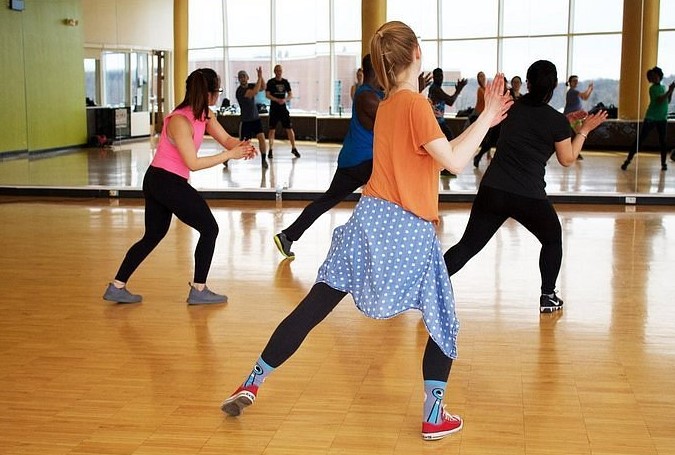
Imagine walking into a room where the bass is thumping, the lights are dimmed, and everyone is smiling. For a second, you think you’ve accidentally stumbled into a Saturday night dance club. Then you notice the sneakers, the leggings, and the sweat pouring down faces. This isn’t a party—well, technically it is—but it’s also one of the most effective cardiovascular workouts on the planet.
In my decade of covering the health industry, I’ve seen countless fitness fads come and go. I’ve seen people buy expensive equipment that eventually becomes a very expensive clothes rack. But Zumba Fitness is different. It’s a global phenomenon that currently moves over 15 million people every week.
Why? Because it solves the “boredom” problem that kills 90% of New Year’s resolutions. If you’ve ever felt that a treadmill is a torture device, it’s time to change the narrative.
The “Exercise in Disguise” Philosophy
When I first stepped into a Zumba class ten years ago, I was a skeptic. As a “serious” health writer, I was used to heart rate monitors, strict rep counts, and the clinical silence of a weight room. I thought, “How can something this fun actually be good for you?”
Then, forty minutes in, I checked my tracker. My heart rate was in the “Peak” zone, I had burned 500 calories, and I was having too much fun to notice the muscle fatigue. That’s the secret sauce of Zumba Fitness: it’s an “Exercise in Disguise.”
The “Stuck in Traffic” Analogy
Think of a standard workout like being stuck in bumper-to-bumper traffic—you’re constantly checking the clock, wondering when it will be over. Zumba is like driving down a scenic coastal highway with your favorite playlist on full blast. You’re still moving from point A to point B, you’re still burning fuel, but you’re so engaged with the scenery and the rhythm that the destination arrives before you’re ready for it to end.
The Technical Science Behind the Dance
Don’t let the colorful outfits fool you; there is significant physiological science happening during a session. Zumba is essentially a form of Interval Training.
1. Intermittent Intensity
Zumba doesn’t stay at one speed. The choreography moves between fast and slow rhythms. This mimics HIIT (High-Intensity Interval Training), which is proven to boost your VO2 Max (how efficiently your body uses oxygen) and trigger the “afterburn effect,” where you continue burning calories hours after the class ends.
2. Multi-Planar Movement
Most gym machines move you in one direction (forward and back). Zumba forces you to move laterally (side-to-side) and rotationally. This strengthens the obliques, improves pelvic stability, and engages the small stabilizer muscles around your ankles and knees that traditional workouts often ignore.
3. Cognitive Health and Neuroplasticity
Unlike running on a belt, dance requires you to learn patterns and coordinate your limbs with the beat. This creates a powerful connection between your motor cortex and your auditory system. For older adults, this is a massive win for neuroplasticity, helping to keep the brain sharp while the body stays fit.
Why Zumba Fitness Works for Every Generation
One of the most beautiful things I’ve observed in the field is a Zumba class where a 19-year-old and a 70-year-old are dancing side-by-side.
-
For Kids (Zumba Kids): It builds coordination and confidence without the pressure of competitive sports.
-
For Adults: It’s a high-octane stress reliever. The music (Salsa, Merengue, Cumbia, and Reggaeton) triggers a massive endorphin release that acts as a natural antidepressant.
-
For Seniors (Zumba Gold): It focuses on balance, range of motion, and social connection, which are the three pillars of longevity.
Expert Advice: Getting the Most Out of Your First Class
If you’re a beginner, the biggest hurdle is usually “rhythm anxiety.” You’re worried you’ll turn left when everyone else turns right.
💡 Pro Tip: The “Feet First” Rule
When you’re new, don’t worry about the arm movements. If you try to do the feet, the hips, and the arms all at once, your brain will short-circuit. Focus only on your feet for the first three classes. Once your legs know the pattern, your arms will naturally follow the rhythm.
⚠️ The Footwear Trap
Do not wear high-traction running shoes to a Zumba class. Running shoes are designed for forward motion and have “grippy” soles to prevent sliding. In Zumba Fitness, you need to pivot and shimmy. If your shoes grip the floor too hard while your body turns, you put unnecessary torque on your knees. Look for “Studio” or “Dance” sneakers with a pivot point on the sole.
The Holistic Benefits: More Than Just Cardio
As a health writer with a decade of experience, I’ve learned that health is more than just a low body fat percentage. It’s about how you feel when you wake up in the morning.
Stress Reduction and Cortisol Management
Chronic stress keeps our cortisol levels high, which leads to belly fat and poor sleep. The rhythmic, repetitive nature of dance combined with the community atmosphere of a class lowers cortisol more effectively than solo exercise. It’s a “collective effervescence”—the joy of moving in sync with others.
Bone Density and Joint Health
Zumba is a weight-bearing exercise. Every time you step or jump, you are sending a signal to your bones to become denser. For women in particular, this is a vital defense against osteoporosis.
LSI Keywords and Technical Vocabulary to Know
To help you navigate the world of Zumba Fitness, here are some terms you might hear your instructor use:
-
Choreography: The sequence of steps set to a specific song.
-
Low-Impact: Modifications where one foot always stays on the ground (perfect for those with joint issues).
-
Core Engagement: Pulling your navel toward your spine to protect your lower back during hip movements.
-
Aerobic Capacity: Your body’s ability to perform mid-to-high intensity activity for an extended period.
Preparing for Your Journey: A Beginner’s Checklist
You don’t need much to start, but a little preparation goes a long way:
-
Hydration: You will sweat more than you think. Bring at least 1 liter of water.
-
Clothing: Wear moisture-wicking fabrics. Cotton gets heavy and hot once wet.
-
An Open Mind: Your goal isn’t to be a backup dancer for Shakira; it’s to keep moving for 60 minutes.
Conclusion: Join the Party
Zumba Fitness isn’t just a workout; it’s a culture of positivity. It takes the “work” out of working out and replaces it with rhythm, community, and joy. Whether you are 16 or 66, the music doesn’t care about your fitness level—it only cares that you move.
In a world that often feels heavy and stressful, giving yourself one hour to dance is one of the best “health prescriptions” I can offer. You’ll walk in feeling tired from your day, and you’ll walk out feeling energized for your life.
Are you ready to take your first step onto the dance floor? Or maybe you’re a Zumba veteran with a favorite song that gets you moving every time? Share your thoughts or your biggest “dance floor” fears in the comments below—let’s get the conversation moving!