Choosing the Best Exercise Mats for Comfort and Support
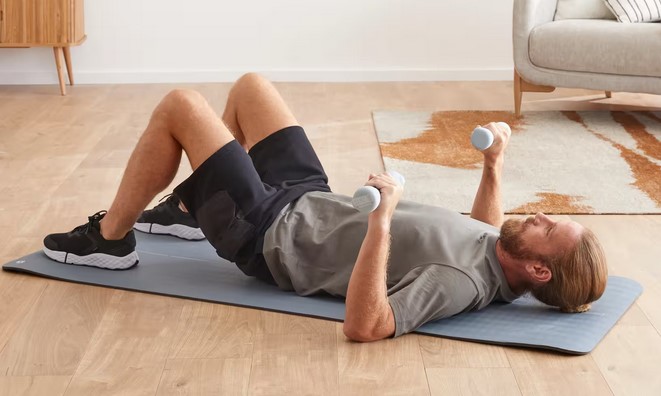
Selecting the right workout surface is an often-overlooked factor in achieving safe and effective fitness results. Whether practicing yoga, performing strength training, or engaging in high-intensity interval workouts, the quality of your Exercise Mats can significantly influence comfort, stability, and joint protection. A well-designed mat not only enhances performance but also reduces the risk of strain and injury. With numerous materials, thickness levels, and design features available, understanding what to look for is essential. This article explores the critical considerations when choosing an exercise mat and introduces a structured evaluation framework to guide informed decisions.
Key Features to Consider When Selecting an Exercise Mat
The market offers a wide variety of exercise mats, each designed to meet specific fitness needs. Before making a purchase, it is important to evaluate several core features that directly affect usability and durability.
Material Composition
The material of an exercise mat determines its grip, cushioning, and longevity. Common materials include:
- PVC (Polyvinyl Chloride): Durable and affordable, but less environmentally friendly.
- TPE (Thermoplastic Elastomer): Lightweight, eco-conscious, and recyclable.
- Natural Rubber: Excellent grip and resilience, though sometimes heavier.
- NBR Foam: Soft and thick, ideal for low-impact exercises.
Natural rubber and TPE options often provide superior traction, making them suitable for yoga or dynamic movement routines. PVC mats, while durable, may contain synthetic compounds that some users prefer to avoid.
Thickness and Cushioning
Thickness directly affects comfort and joint support. Mats typically range from 3mm to 15mm in thickness.
- 3–5mm: Best for balance-focused activities like yoga and Pilates.
- 6–8mm: Suitable for general fitness routines and moderate-impact exercises.
- 10–15mm: Ideal for floor-based strength training or individuals needing extra joint protection.
Thicker mats offer greater cushioning but may reduce stability during balance exercises. Conversely, thinner mats provide firmer support but less padding for sensitive joints.
Surface Texture and Grip
A slip-resistant surface is crucial for safety. Textured surfaces improve traction and prevent hands or feet from sliding during sweat-inducing workouts. Some mats feature dual-sided textures for added stability on both smooth and carpeted floors.
Testing grip performance, particularly when slightly damp, is important for users who engage in high-intensity or hot yoga sessions.
Size and Portability
Standard mats measure approximately 68 inches in length and 24 inches in width. Taller individuals may require extended-length mats for full-body support. Additionally, portability should be considered for those who travel or commute to fitness studios.
Lightweight mats with carrying straps or foldable designs offer added convenience without compromising functionality.
Matching Exercise Mats to Specific Workout Needs
Not all workouts demand the same level of support. Understanding the relationship between activity type and mat characteristics ensures optimal performance.
Yoga and Pilates
For yoga practitioners, stability and grip are primary considerations. A mat between 4mm and 6mm provides sufficient cushioning while maintaining balance during standing poses. Materials with moisture-resistant surfaces are particularly beneficial in dynamic styles of yoga.
Pilates routines, which often involve controlled floor movements, benefit from slightly thicker mats to protect the spine and hips during rolling exercises.
Strength and Resistance Training
Floor-based strength exercises such as planks, push-ups, and core work require both cushioning and stability. A mat between 6mm and 10mm strikes a balance between joint protection and firmness.
For weightlifting activities, durability becomes especially important. Dense rubber or reinforced foam mats withstand repeated pressure and resist wear over time.
High-Intensity Interval Training (HIIT)
HIIT workouts involve rapid movement transitions, jumping, and dynamic bodyweight exercises. In this context, a mat must remain firmly in place to prevent slipping. Thicker mats with anti-skid backing are recommended to absorb impact and reduce stress on knees and ankles.
Rehabilitation and Low-Impact Workouts
Individuals recovering from injury or experiencing joint discomfort may benefit from extra-thick mats (10mm to 15mm). These provide additional cushioning that minimizes pressure on sensitive areas.
Introducing the “Support Alignment Matrix” for Smart Selection
While many buyers focus solely on thickness or price, a more comprehensive approach ensures long-term satisfaction. A new evaluation concept called the Support Alignment Matrix (SAM) can help individuals systematically assess exercise mats based on personal needs.
Understanding the Support Alignment Matrix
The Support Alignment Matrix is a three-factor evaluation system that examines:
- Activity Type
- Body Sensitivity
- Environment
By analyzing these factors together, buyers can select a mat that aligns with their fitness goals and physical requirements.
Activity Type Assessment
Identify whether the primary activity emphasizes balance, impact absorption, or heavy resistance. This determines the required firmness and grip level.
Body Sensitivity Evaluation
Consider joint health, prior injuries, and comfort preferences. Individuals with knee or lower back sensitivity should prioritize cushioning without compromising stability.
Environment Consideration
Evaluate the workout space. Smooth tile floors require anti-slip backing, while carpeted areas may benefit from firmer, thinner mats to maintain balance.
By scoring each factor on a scale from 1 to 5, users can identify which features carry the most importance. This structured approach minimizes impulse purchases and ensures the chosen mat supports both comfort and performance.
Maintenance and Longevity Considerations
Proper care extends the lifespan of exercise mats and maintains hygiene. Regular cleaning with mild soap and water prevents odor buildup and bacterial growth. Mats should be air-dried completely before storage to prevent moisture damage.
Rotating the mat periodically and storing it flat or loosely rolled reduces wear patterns. Avoid prolonged exposure to direct sunlight, which may degrade material integrity over time.
Investing in quality often proves cost-effective in the long run. Higher-grade materials resist compression and retain cushioning properties even after extensive use.
Choosing the right workout surface requires thoughtful consideration of material, thickness, grip, and intended use. Rather than selecting a mat based solely on price or appearance, evaluating support needs and environmental conditions ensures both safety and durability. By applying structured methods such as the Support Alignment Matrix, individuals can confidently select Exercise Mats that enhance comfort and performance. Ultimately, investing in well-designed Exercise Mats not only improves workout quality but also contributes to long-term joint protection and overall fitness success.