How Sleep Affects Immune Function: The Link You Shouldn’t Ignore
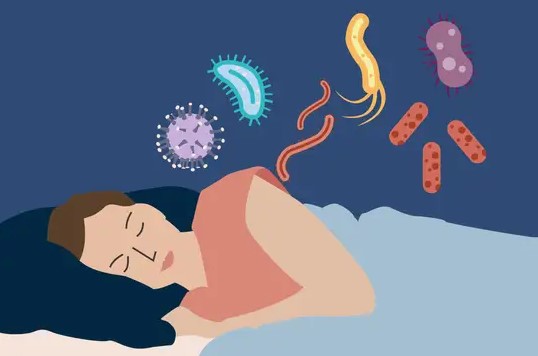
In the pursuit of better health, people often focus on nutrition, exercise, and supplementation, while overlooking one of the most powerful biological regulators: sleep. The connection between Sleep and Immune Function is both profound and scientifically supported. Adequate sleep does more than restore energy—it actively strengthens the body’s defense mechanisms, regulates inflammation, and enhances recovery processes. Conversely, chronic sleep deprivation can weaken immune responses and increase susceptibility to infections. Understanding this relationship is essential for anyone seeking long-term wellness and resilience. This article explores the science behind sleep’s impact on immunity and introduces an innovative framework for optimizing restorative rest.
The Biological Connection Between Sleep and Immunity
Sleep is a highly active physiological process involving intricate hormonal and cellular interactions. During sleep, particularly in deep non-rapid eye movement (NREM) stages, the body performs essential maintenance functions that directly support immune health.
One of the most critical immune processes that occurs during sleep is the production and release of cytokines. Cytokines are signaling proteins that regulate immune responses, inflammation, and infection defense. Certain cytokines are produced in greater quantities during sleep, particularly when the body is fighting illness or recovering from injury. Reduced sleep can decrease the production of these protective molecules.
Additionally, sleep influences the activity of T cells, a type of white blood cell that identifies and eliminates infected cells. Research indicates that sleep enhances the efficiency of T cells in attaching to and destroying pathogens. Without sufficient rest, this immune response becomes less effective, compromising the body’s ability to combat viruses and bacteria.
Hormonal balance also plays a role. During sleep, cortisol levels naturally decline. Cortisol, often referred to as the stress hormone, can suppress immune function when chronically elevated. Consistent, high-quality sleep helps regulate cortisol rhythms, preventing prolonged immune suppression.
Furthermore, melatonin—the hormone responsible for regulating sleep-wake cycles—possesses antioxidant and anti-inflammatory properties. By supporting melatonin production through healthy sleep patterns, the body gains additional immune-protective benefits.
Consequences of Sleep Deprivation on Immune Health
Insufficient sleep does not merely cause fatigue; it has measurable physiological consequences. Even a single night of restricted sleep can temporarily reduce immune efficiency.
Increased Susceptibility to Infections
Studies show that individuals who sleep fewer than six hours per night are more likely to develop common infections such as colds compared to those who sleep seven to eight hours. Sleep deprivation weakens immune surveillance, reducing the body’s ability to detect and neutralize pathogens early.
Heightened Inflammatory Responses
Chronic sleep loss can trigger low-grade systemic inflammation. While inflammation is a natural immune response, persistent inflammation is associated with numerous health conditions, including cardiovascular disease and metabolic disorders. Inadequate sleep disrupts inflammatory regulation, contributing to long-term health risks.
Reduced Vaccine Effectiveness
Emerging evidence suggests that sleep quality before and after vaccination may influence antibody production. Individuals who are sleep-deprived may generate weaker immune responses to vaccines, highlighting sleep’s role in adaptive immunity.
Impaired Recovery
Sleep is essential for tissue repair and recovery from physical stress. Athletes, for example, require sufficient sleep not only for performance but also for immune resilience. Inadequate rest increases vulnerability to illness following intense physical exertion.
These consequences underscore the importance of prioritizing sleep as a central component of preventive healthcare.
Introducing the “Immune-Optimized Sleep Cycle Framework”
While general sleep advice often focuses on duration, optimizing immune health requires a more comprehensive strategy. A new conceptual approach known as the Immune-Optimized Sleep Cycle Framework integrates behavioral, environmental, and physiological elements to enhance restorative sleep.
Core Components of the Framework
The Immune-Optimized Sleep Cycle Framework consists of three interconnected pillars:
- Circadian Alignment
- Deep Sleep Enhancement
- Pre-Sleep Immune Preparation
Circadian Alignment
The body operates on a 24-hour biological clock known as the circadian rhythm. Disruptions to this rhythm—such as irregular sleep schedules or excessive nighttime light exposure—can impair immune regulation.
To support circadian alignment:
- Maintain consistent sleep and wake times, even on weekends.
- Expose yourself to natural sunlight in the morning.
- Limit blue light exposure from electronic devices at least one hour before bedtime.
By reinforcing the body’s natural rhythm, individuals promote hormonal balance that supports immune function.
Deep Sleep Enhancement
Deep sleep stages are particularly critical for immune restoration. Enhancing deep sleep involves creating an optimal sleep environment and minimizing disturbances.
Strategies include:
- Keeping the bedroom cool, dark, and quiet.
- Avoiding caffeine at least six hours before bedtime.
- Engaging in relaxation techniques such as diaphragmatic breathing or progressive muscle relaxation.
Deep sleep is when growth hormone release peaks, facilitating cellular repair and immune strengthening.
Pre-Sleep Immune Preparation
This innovative element of the framework focuses on preparing the body for restorative processes before sleep begins. Simple practices can prime the immune system for optimal nighttime recovery.
Examples include:
- Consuming a balanced evening meal with adequate protein and micronutrients.
- Practicing light stretching or yoga to reduce stress hormones.
- Engaging in brief gratitude reflection to lower mental stress levels.
By reducing physiological and psychological stress before bedtime, the body can allocate more energy toward immune repair during sleep.
Practical Steps for Long-Term Immune Resilience
Integrating sleep-focused strategies into daily life requires consistency and awareness. Individuals should monitor both sleep quantity and quality. Tracking sleep patterns through journals or wearable devices can provide valuable insights into habits and disruptions.
Employers and healthcare providers can also promote immune health by encouraging sleep-friendly policies. Flexible scheduling, education on sleep hygiene, and reduced after-hours digital communication can contribute to improved workforce health outcomes.
It is equally important to recognize that occasional poor sleep is normal. The goal is not perfection but sustainable habits that support overall resilience. When sleep disturbances persist, consulting a healthcare professional can help identify underlying issues such as sleep apnea or chronic insomnia.
Ultimately, sleep should be viewed as a foundational health behavior rather than a passive activity. Just as balanced nutrition fuels immune cells, restorative sleep orchestrates their optimal function.
In conclusion, the scientific relationship between Sleep and Immune Function highlights the essential role of restorative rest in protecting overall health. From cytokine production and T cell efficiency to inflammation regulation and vaccine responsiveness, sleep influences nearly every aspect of immune performance. By adopting structured approaches such as the Immune-Optimized Sleep Cycle Framework and prioritizing consistent, high-quality rest, individuals can significantly strengthen their defenses. Recognizing and respecting the connection between Sleep and Immune Function is not optional—it is a critical step toward long-term wellness and disease prevention.