Public Health Policy Development: How It Affects Your Community
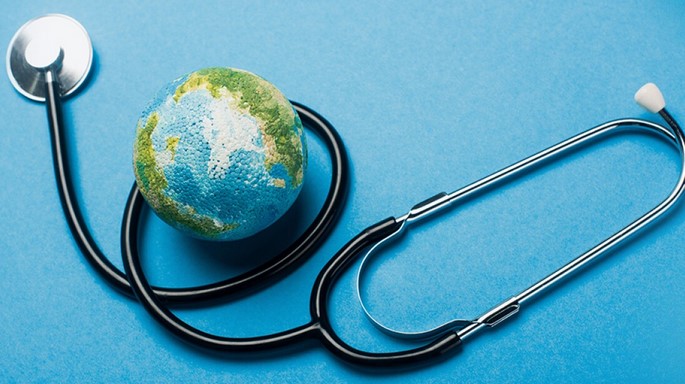
Imagine walking your child to school and noticing that the air feels cleaner, or realizing that the new bike lanes in your neighborhood have finally made your morning commute stress-free. Conversely, imagine a local clinic suddenly closing its doors, leaving hundreds without affordable care. These aren’t just random events; they are the direct, tangible outcomes of Public Health Policy Development.
In my decade of working within the health sector, I’ve sat in windowless basement rooms with city planners and epidemiologists, debating things as seemingly small as the sugar content in school vending machines. What I’ve learned is this: while a doctor saves one life at a time, a well-crafted public health policy can save an entire zip code.
Public health policy is the “invisible architecture” of our lives. When it’s working, you barely notice it. When it fails, the consequences ripple through every household in the community.
1. What is Public Health Policy Development?
If you think of health as a garden, individual medical care is like treating a single wilting flower. Public Health Policy Development is like managing the soil, the water supply, and the climate of the entire garden.
It is the process by which governments, organizations, and communities decide which health issues to prioritize and how to allocate resources to solve them. It’s not just about “rules”; it’s about creating an environment where the healthy choice is the easiest choice for everyone, regardless of their income or background.
The Policy Cycle: From Problem to Solution
-
Problem Identification: Realizing that a specific issue (like rising asthma rates) is affecting the community.
-
Policy Analysis: Looking at the data to see what works.
-
Strategy and Design: Drafting the actual plan.
-
Enactment: Passing the law or regulation.
-
Implementation: Putting the plan into action on the streets.
2. Why Policy Development Matters for Your Community
We often think of “health” as something that happens inside a hospital. But research shows that clinical care only accounts for about 20% of health outcomes. The other 80% is determined by your environment, your genetics, and your socioeconomic status—all of which are shaped by policy.
Improving Health Equity
One of the most vital roles of Public Health Policy Development is closing the gap between the “haves” and the “have-nots.” Policy ensures that a low-income neighborhood has the same access to clean water and smoke-free air as a wealthy one. It’s about Health Equity—ensuring everyone has a fair shot at being healthy.
Disease Prevention and Health Promotion
Policy is our best weapon against chronic diseases. Think about tobacco taxes or mandatory seatbelt laws. These weren’t just suggestions; they were policy shifts that fundamentally changed how we live and significantly lowered death rates across the globe.
Economic Stability
A healthy community is a productive community. When policies reduce the incidence of chronic illness, it means fewer missed workdays and lower healthcare costs for everyone. It’s an investment that pays dividends in the form of a thriving local economy.
3. The Technical Side: LSI Keywords and Context
To understand the “how” behind the “what,” we need to look at the vocabulary experts use during Public Health Policy Development:
-
Socioeconomic Factors: The social and economic experiences that shape your health.
-
Epidemiology: The study of how disease spreads and can be controlled in populations.
-
Stakeholder Engagement: Consulting with the people who will actually be affected by the policy (you!).
-
Health Impact Assessment (HIA): A tool used to judge the potential effects of a proposed policy on the health of a population.
-
Infrastructure: The physical systems (roads, water, buildings) that support a community’s health.
4. How Policies Shape Your Daily Life (The Reality Check)
Let’s get specific. How does this actually look in your town?
-
Zoning Laws: Policies that prevent a chemical plant from being built next to a primary school.
-
Food Policy: Regulations that require calorie counts on menus or restrict trans fats.
-
Emergency Preparedness: The protocols that dictate how your city responds to a pandemic or a natural disaster.
-
Vaccination Mandates: Ensuring “herd immunity” to protect those who are too young or too sick to be vaccinated.
5. Expert Advice: Pro Tips and Hidden Warnings
In my experience, the gap between a “good idea” and a “successful policy” is often huge. Here is what I’ve observed from the inside:
Pro Tip: Local Policy is Most Impactful
While we focus on national news, the policies made at the city and county level often have the quickest and most direct impact on your well-being. Attending a town hall meeting can be more effective for your health than reading a dozen medical journals.
Hidden Warning: The “One-Size-Fits-All” Trap
Beware of policies imported from other cities without adjustment. A bike-lane policy that worked in a flat, sunny city might fail miserably in a hilly, rainy one. Effective Public Health Policy Development must be “community-centric”—it has to respect the unique culture and geography of the people it serves.
6. How You Can Influence Public Health Policy
You are not just a passive recipient of policy; you are a Stakeholder. Community voices are often the most powerful tool for change.
-
Data is Your Friend: If you want to change something, bring numbers. Show how many people are affected by a specific problem.
-
Join a Coalition: There is strength in numbers. Local non-profits and community groups often have a direct line to policymakers.
-
Vote in Local Elections: The people who sit on your school board or city council are the ones drafting the policies that affect your daily health.
7. The Future of Public Health Policy
As we move further into the 21st century, Public Health Policy Development is evolving. We are now looking at:
-
Climate Change Resilience: Protecting communities from extreme heat and flooding.
-
Mental Health Integration: Ensuring mental health is treated with the same policy weight as physical health.
-
Digital Health Regulation: Policy surrounding telemedicine and data privacy.
Conclusion: You Are Part of the Process
Public Health Policy Development isn’t just for politicians in suits; it’s for every parent, worker, and neighbor who wants a safer, healthier world. It is the most powerful tool we have to create a society where health isn’t a luxury for the few, but a reality for the many.
By understanding how these policies are made and who they are for, you gain the power to advocate for your own community. After all, the best policies are those that reflect the true needs of the people they serve.
What is one health issue in your community that you think needs a better policy? Whether it’s better lighting in parks or more mental health resources in schools, let’s discuss how we can drive change in the comments below!